
Celebrate World Space Week With Your Homeschool
From rockets soaring beyond Earth’s atmosphere to planets, stars, and galaxies waiting to be discovered, space has a way of inspiring curiosity at every age. World Space Week, celebrated October 4–10, is a great opportunity to bring that curiosity into your homeschool through science, history, technology, hands on activities, and even a little nighttime exploration. Whether your child already dreams of becoming an astronaut or is just beginning to wonder what lies beyond our planet, there are plenty of ways to turn this week into an out of this world learning adventure.
Look Up and Start Exploring
There is something about space that naturally inspires questions.
How do rockets make it into orbit? Why does Saturn have rings? How far away are the planets? What would it be like to live on the Moon? For curious homeschoolers, those questions can become the beginning of an entire week of discovery.
World Space Week was established by the United Nations in 1999 to celebrate the contributions of space science and technology. October 4 and October 10 also recognize two important moments in space history: the launch of Sputnik 1 in 1957 and the Outer Space Treaty taking effect in 1967.
Families can learn more about the celebration, its history, and events happening around the world through the official World Space Week website.
Discover the Rocket Revolution
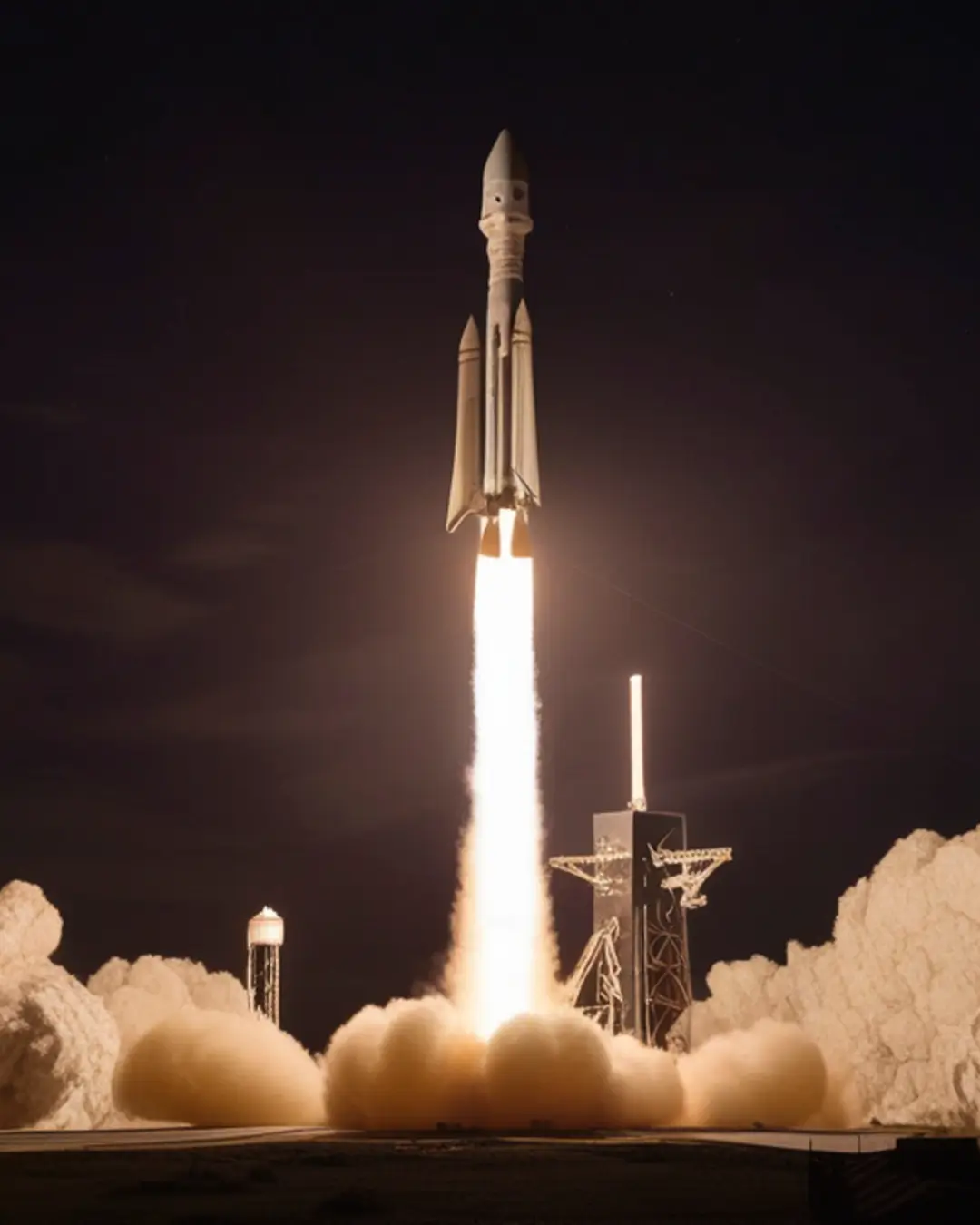
The 2026 World Space Week theme is “Rocket Revolution,” highlighting how access to space is changing through reusable rockets, commercial launch providers, university teams, startups, and growing participation in space programs around the world.
That gives homeschoolers plenty to investigate.
Younger students can learn the basic parts of a rocket, explore how rockets overcome gravity, or draw their own spacecraft. Middle and high school students can dig deeper into propulsion, engineering, reusable rockets, the history of spaceflight, and how today’s launch technology compares with the rockets of decades past.
Families with children of different ages can also explore the NASA Artemis II STEM Learning Pathway. It includes activities, videos, and learning resources for grades K–4, 5–8, and 9–12, making it easy to explore human spaceflight at an age appropriate level.
Turn Space Into a STEM Adventure
You don’t need a rocket laboratory in your backyard to make World Space Week hands on. Challenge your children to build a model spacecraft, create a paper rocket, make a scale model of the solar system, or experiment with different rocket designs. Ask them to make a prediction before they begin and then explain what worked, what didn’t, and what they would change next time.
The NASA/JPL STEM Activities for Families collection is a great place to find activities for a wide range of ages. Families can experiment with parachutes, build spacecraft, make Moon like craters, keep a Moon journal, explore the scale of the solar system, and more.
Another option is Learning Space With NASA at Home, which organizes hands on activities and videos for grades K–4, 5–8, and 9–12. Students can explore rockets, Mars rovers, Moon landers, robotics, engineering, and other STEM topics using activities designed for learning at home.
And remember, the experiment doesn’t have to work perfectly the first time. Testing, adjusting, and trying again is part of the learning.
Take a Tour of the Solar System
World Space Week is also a great excuse to let your children’s curiosity guide the lesson. Choose a planet, moon, star, comet, or other object in space and spend some time discovering everything you can about it. Compare the sizes of planets, investigate why the Moon has craters, learn why Saturn has rings, or find out how long a day lasts on another planet.
For younger learners, NASA Space Place offers kid friendly games, activities, videos, and explanations covering the Sun, Earth, our solar system, space, science, and technology. Families looking for something they can do away from the computer can also browse Space Place printable activities for additional ideas.
Children can create something from what they learn too. They might design a travel brochure for Mars, write a story set on another planet, build a model of the solar system, or give the family a short presentation about their favorite discovery.
Take Your Homeschool Outside
Some of the best space lessons begin after the sun goes down.
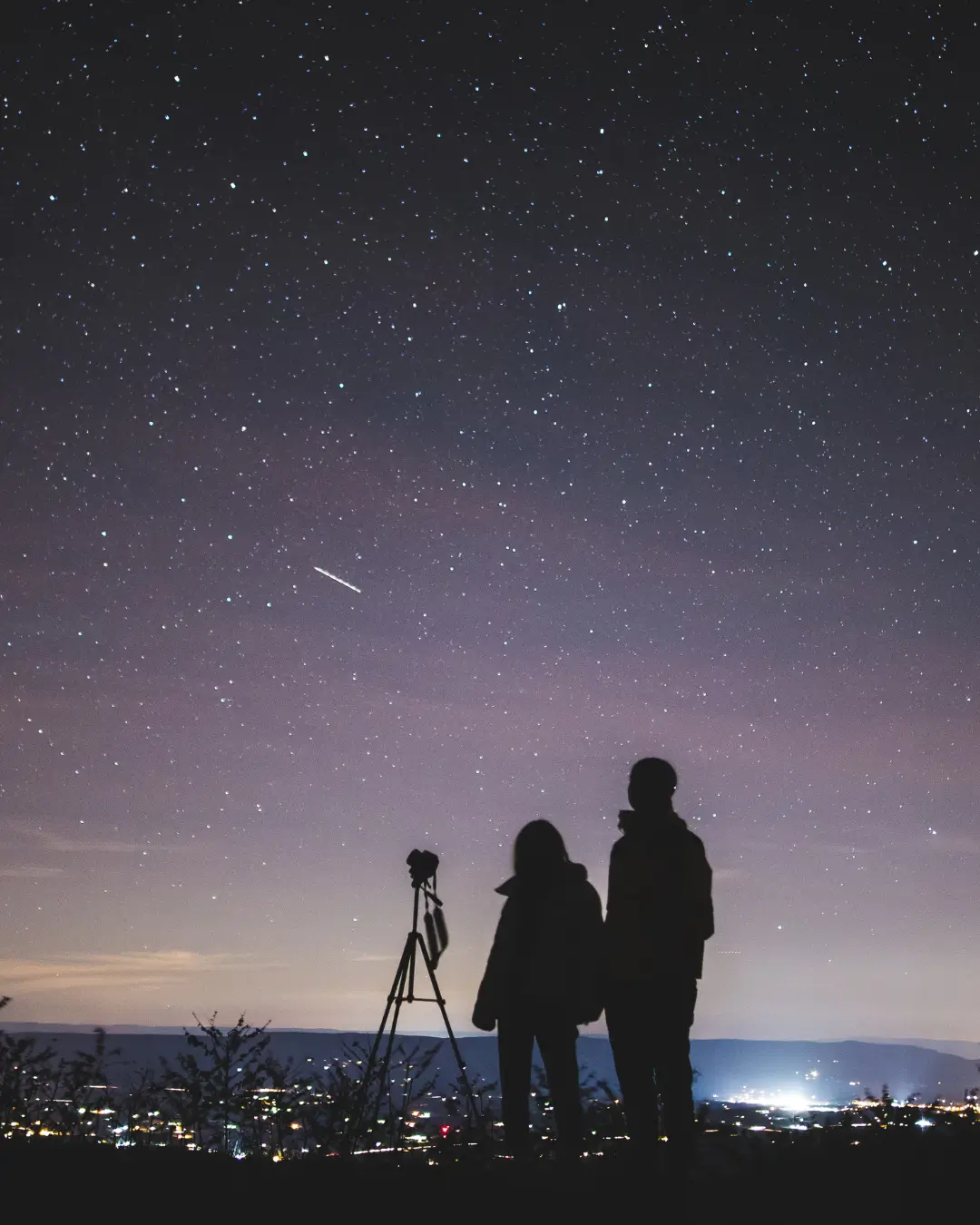
Choose an evening to head outside and simply look up. See which stars, planets, or constellations your family can identify. Keep a sky journal, sketch the Moon, or compare what you observe from one night to the next.
Older students can take the experience further by researching why the night sky changes throughout the year, how astronomers study distant objects, or how telescopes allow us to observe parts of the universe humans cannot physically visit.
Younger and older siblings can even work together. One child might sketch what they see while another researches it, giving everyone a way to participate at their own level.
Let One Question Lead to Another
One of the joys of homeschooling is having the freedom to follow curiosity.
A child who starts the week interested in rockets might end up fascinated by physics. A lesson about Mars could lead to geology. Researching astronauts might spark conversations about engineering, health, history, or careers. Designing a spacecraft can incorporate math, art, writing, and problem solving.
You don’t have to cover the entire universe in one week. Choose what interests your family and see where the questions take you.
World Space Week can simply be the starting point.
Keep the Learning Going
World Space Week may end on October 10, but the exploration doesn’t have to. Encourage your children to choose a space topic that sparked their curiosity and keep discovering through a project, book, observation journal, or current space mission.
For even more ideas, NASA’s Science Educational Resource Catalog offers learning resources for grades K–12 covering space science, Earth science, math, technology, and more.
Want More Inspiration?
For more homeschool encouragement, practical resources, upcoming events, and helpful information for every stage of your homeschooling journey, explore the MACHE Blog and MACHE website.