
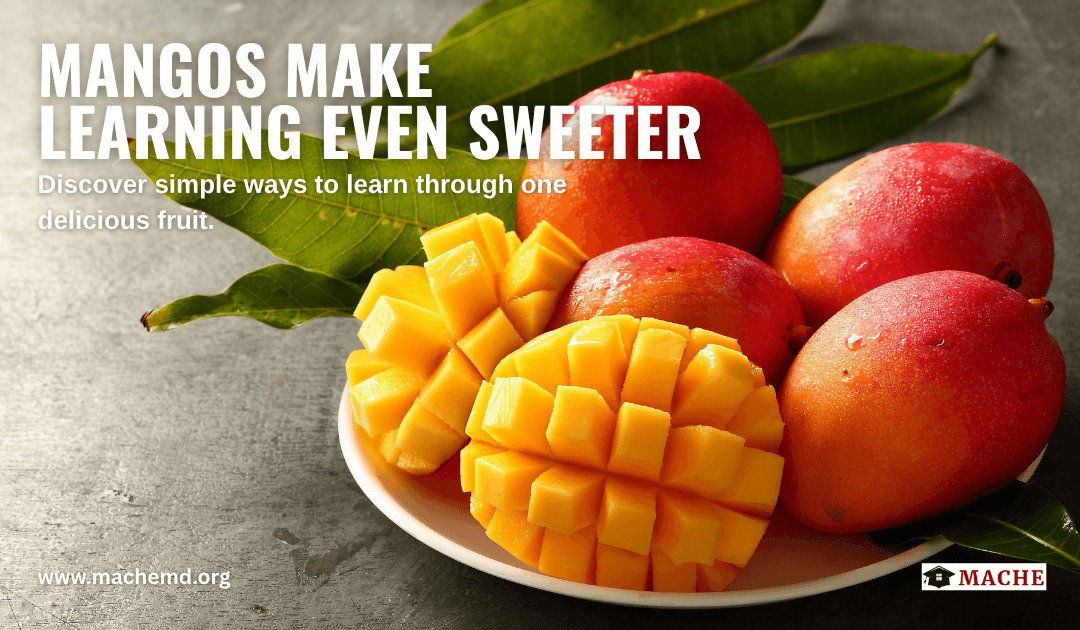
More Than a Snack: Fun Ways to Learn with Mangos
National Mango Day is the perfect excuse to enjoy one of summer’s sweetest fruits while turning everyday moments into meaningful learning experiences. Whether you’re exploring where mangos grow, trying a new recipe, or discovering the science behind this tropical favorite, a single mango can inspire an afternoon full of curiosity and connection.
Here are a few simple ways to make mangos part of your family’s summer learning.
Discover Where Mangos Grow
Mangos are grown in warm, tropical climates around the world, including countries such as India, Mexico, Brazil, Thailand, and the Philippines. Pull out a world map or globe and locate the places where mangos are grown. Talk about the climates, cultures, and foods that make each region unique using resources like National Geographic Kids: Countries. You can even compare how far a mango travels before it reaches your local grocery store. Learn even more about this popular fruit through the National Mango Board.
Explore the Science of Mangos
What makes a mango sweet? Why does it change color as it ripens? Cut open a mango together and examine its large seed, smell, texture, and color. Discuss how fruits grow, how seeds become trees, and why plants need sunlight, water, and healthy soil.
Older students can also explore the vitamins and nutrients found in mangos by visiting USDA MyPlate: Fruits and discover how fruits help fuel healthy bodies.
Try a Simple Mango Recipe
Learning happens in the kitchen too. Measuring ingredients, following directions, and preparing food together builds valuable life skills while practicing math and reading.
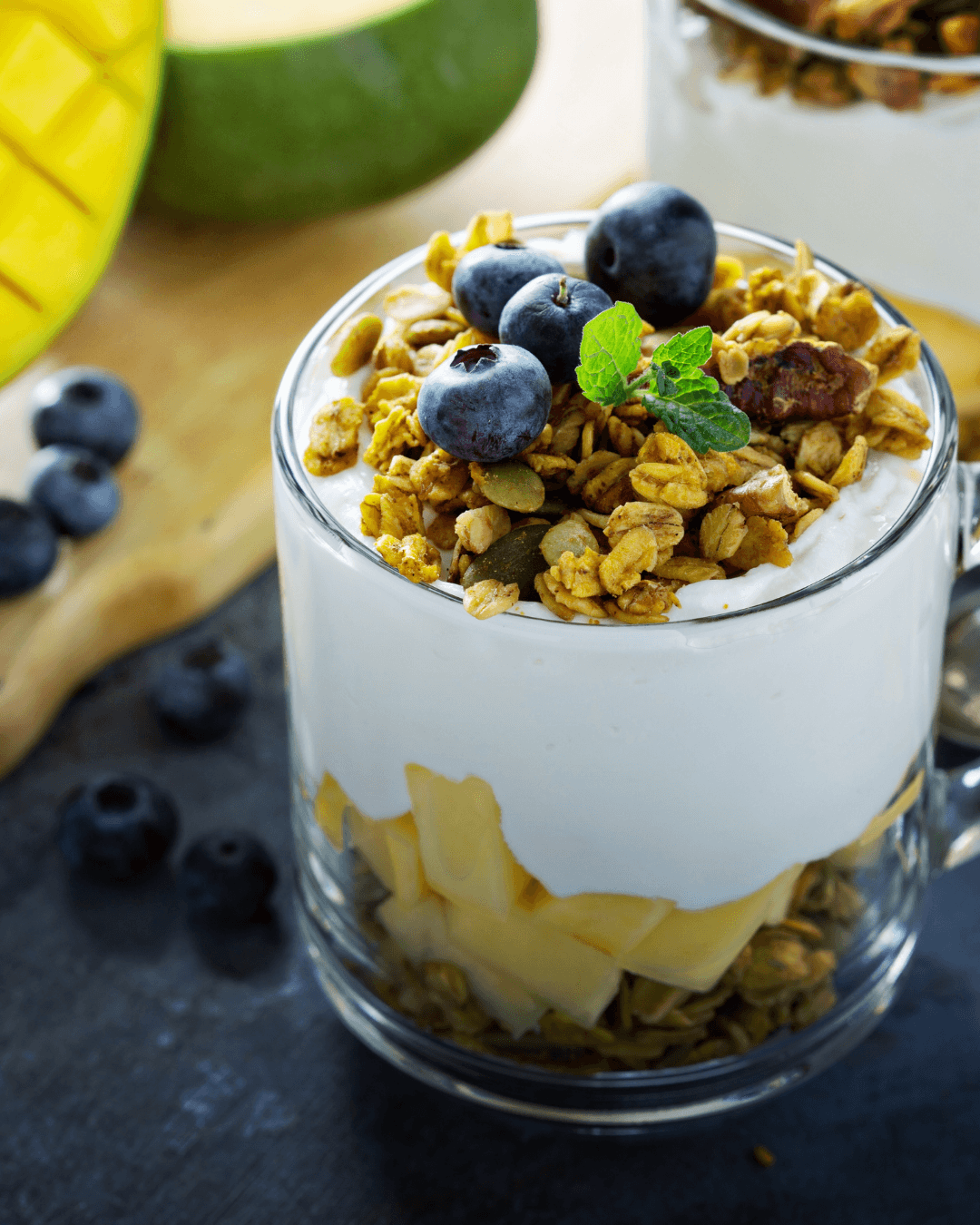
Mango Yogurt Parfaits
Ingredients
- 2 ripe mangos, diced
- 2 cups vanilla or plain yogurt
- 1 cup granola
- Fresh berries (optional)
- Honey (optional)
Directions
Layer yogurt, granola, and diced mangos into individual cups. Add berries or a drizzle of honey if desired. Serve immediately and enjoy together.
Taste, Compare, and Learn
Bring home a few different fruits and compare them with a mango. Encourage your children to observe the color, texture, shape, smell, and taste of each one. Ask questions like, Which fruit is the sweetest? Which has the softest texture? Which has the largest seed? Recording observations on a simple chart helps children practice descriptive writing, critical thinking, and comparing and contrasting skills.
Older students can take the activity a step further by surveying family members about their favorite fruit and using the results to create a bar graph or pie chart. They can also calculate percentages or identify the most and least popular choices, adding another layer of math practice. Activities like these help children see how everyday experiences can reinforce classroom concepts in meaningful and memorable ways.
Bring Learning to Life
Turn your mango exploration into a creative project. Younger children can draw or paint a mango, while older students might enjoy writing a short story from the perspective of a mango traveling from a tropical orchard to a grocery store. You could also create a travel brochure or postcard featuring a country where mangos are grown, highlighting its climate, landmarks, traditions, and foods.
These simple projects encourage creativity while reinforcing what children have learned about geography, science, and cultures around the world. They also give children an opportunity to express what they’ve learned in their own unique way, helping ideas stick long after the activity is finished. Best of all, they transform a simple summer fruit into a memorable learning experience the whole family can enjoy.
Keep the Learning Going
If your family enjoys learning through food, continue the adventure with books from your local library. Browse your local Maryland Public Libraries or download the Libby app to borrow ebooks and audiobooks about tropical countries, gardening, healthy eating, or kid-friendly cooking.
A simple piece of fruit can open the door to conversations about science, geography, nutrition, cooking, and creativity. Sometimes the best learning opportunities are the ones already sitting on your kitchen counter.
Want More Inspiration?
For more homeschool encouragement, practical resources, upcoming events, and helpful information for every stage of your homeschooling journey, explore the MACHE Blog and MACHE website.